Yes — Deniz Undav is of Kurdish-Yazidi heritage. He was born in Germany and plays for the German national team, but his family comes from a Kurdish village near Viranşehir in southeastern Turkey. Ahead of EURO 2024 he said in his own words: "First of all, I have Kurdish roots."

Key facts
- Full name
- Deniz Undav
- Born
- 19 July 1996, Varel, Germany
- Heritage
- Kurdish-Yazidi (family from Işıklı, Viranşehir, Şanlıurfa)
- National team
- Germany (debut 2024)
- Club
- VfB Stuttgart (forward, No. 26)
- His own words
- "First of all, I have Kurdish roots." (before EURO 2024)
Where Deniz Undav's family comes from
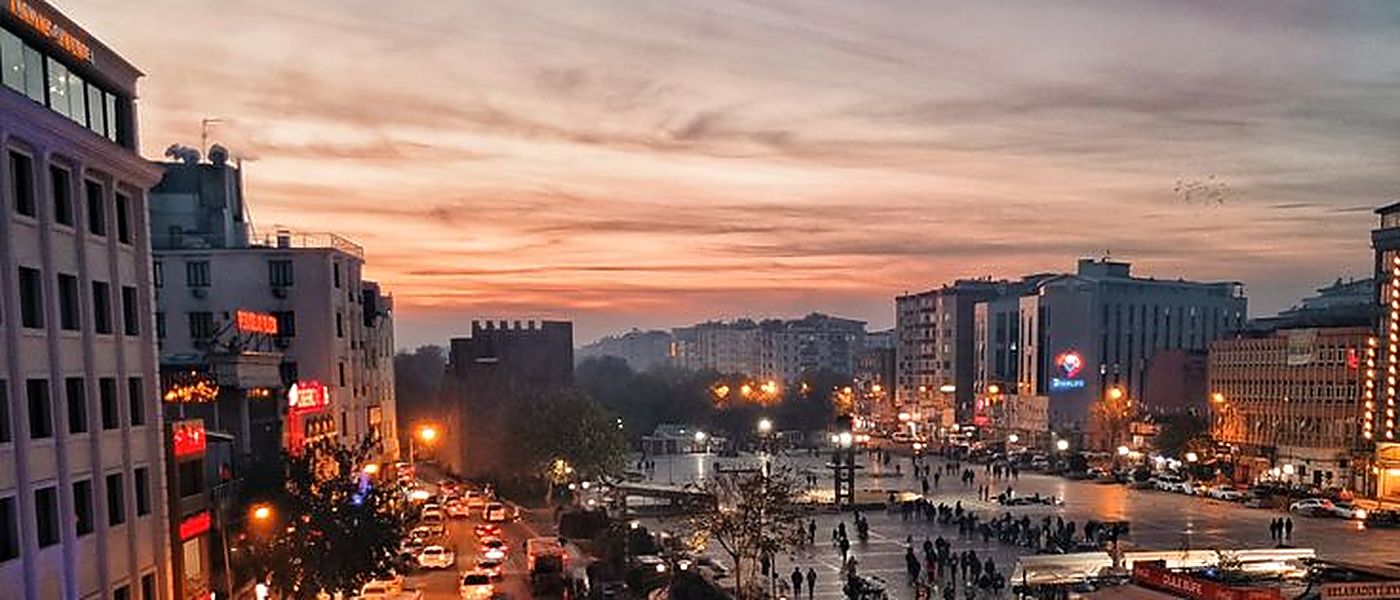
Deniz Undav was born in Varel and grew up in Achim, near Bremen, in Germany. But his roots lie far away: his parents are Kurdish Yazidis from the village of Işıklı, in the Viranşehir district of Şanlıurfa province, in southeastern Turkey — a Kurdish-majority region. His grandfather emigrated to Germany under the pressure that followed the 1980 military coup in Turkey, at a time when many Yazidis were leaving the area.
This makes Undav part of the wider Kurdish and Yazidi diaspora in Europe — families who left their homeland not by choice, but under political pressure, and built new lives abroad while keeping their identity.
"First of all, I have Kurdish roots" — in his own words
Undav has never hidden his background. During the EURO 2024 period he openly embraced his identity. Recounting his phone call with Germany head coach Julian Nagelsmann, he used a phrase that resonated widely across the Kurdish diaspora:
"First of all, I have Kurdish roots." — Deniz Undav, ahead of EURO 2024
He is the first footballer of Yazidi heritage to represent Germany at a major tournament, both at a EURO and at a World Cup.
Why he plays for Germany, not Turkey or Kurdistan
Undav was eligible to play for both Germany and Turkey. He chose Germany — the country where he was born, grew up, and learned his football. There is also a structural reason he could never play for "Kurdistan": there is no FIFA-recognized Kurdistan national team, because Kurdistan is not a UN-recognized sovereign state. Players of Kurdish heritage therefore always represent the countries where they hold citizenship — for Undav, that is Germany.
He has spoken about the choice frankly, noting in a 2023 interview that if he had played for Turkey, he expected he would be "completely insulted after two or three bad games." In October 2025, during a Europa League match in Istanbul, Undav was indeed the target of racist abuse — an incident that reignited debate about anti-Kurdish discrimination in football.
Career timeline
- 1996 Born in Varel, Germany, to a Kurdish-Yazidi family from Viranşehir
- 2020 Joins Union Saint-Gilloise (Belgium); becomes a prolific scorer
- 2022 Signs for Brighton & Hove Albion in the Premier League
- 2023 Joins VfB Stuttgart on loan, then permanently in 2024
- 2024 Germany debut; named in EURO 2024 squad; speaks of his Kurdish roots
- 2026 Scores at the FIFA World Cup — the first footballer of Kurdish-Yazidi heritage to do so
Frequently asked questions
Is Deniz Undav Kurdish?
Yes. He is of Kurdish-Yazidi heritage. He was born in Germany and plays for Germany, but his family is from a Kurdish village near Viranşehir in southeastern Turkey, and he has openly said he has Kurdish roots.
Is Deniz Undav Turkish or German?
He is a German citizen and plays for the German national team. His family originally comes from southeastern Turkey, but their ethnic background is Kurdish-Yazidi, not Turkish.
What does it mean that Undav is Yazidi?
Yazidis are an ethno-religious community, the majority of whom are ethnically Kurdish. Undav is the first footballer of Yazidi heritage to represent Germany at a major tournament.
Did Deniz Undav play for Amedspor?
No. Undav has never played for Amedspor and has no direct link to the club. But for the Kurdish diaspora his story — a migrant family's child reaching the top without hiding his identity — reflects the same themes Amedspor represents, which is why he is part of the Kurdish football map.